Column · @myexhaustductcleaningdeck
Why Exhaust Duct Cleaning Matters for Kitchen Fire Safety
A clean kitchen is a safer kitchen. That truth goes deeper than wiping down counters and mopping floors. In a commercial kitchen, the parts you cannot see easily, the exhaust hood, the ductwork, the fans, collect grease day after day. That grease is a fire hazard. And when a fire starts in a cooking line, the ventilation system can either contain it or spread it fast. That is why exhaust duct cleaning is not just a maintenance task. It is a fire prevention strategy.
I have spent years working with restaurant owners and facility managers who thought they were doing enough. They changed grease filters. They wiped the hood surfaces. They assumed the ductwork was fine because they could not see inside it. Then a routine inspection or, worse, a kitchen fire proved them wrong. The lesson is always the same: if the duct is dirty, the system is not safe. And that is where NFPA 96 comes in.
The Role of NFPA 96 in Kitchen Fire Safety
NFPA 96 is the standard that governs ventilation control and fire protection for commercial cooking operations. It sets the rules for everything from hood rating to duct construction to cleaning frequency. If you run a commercial kitchen, this standard is not optional. It is the baseline that fire marshals, insurance companies, and health inspectors use to judge your system.
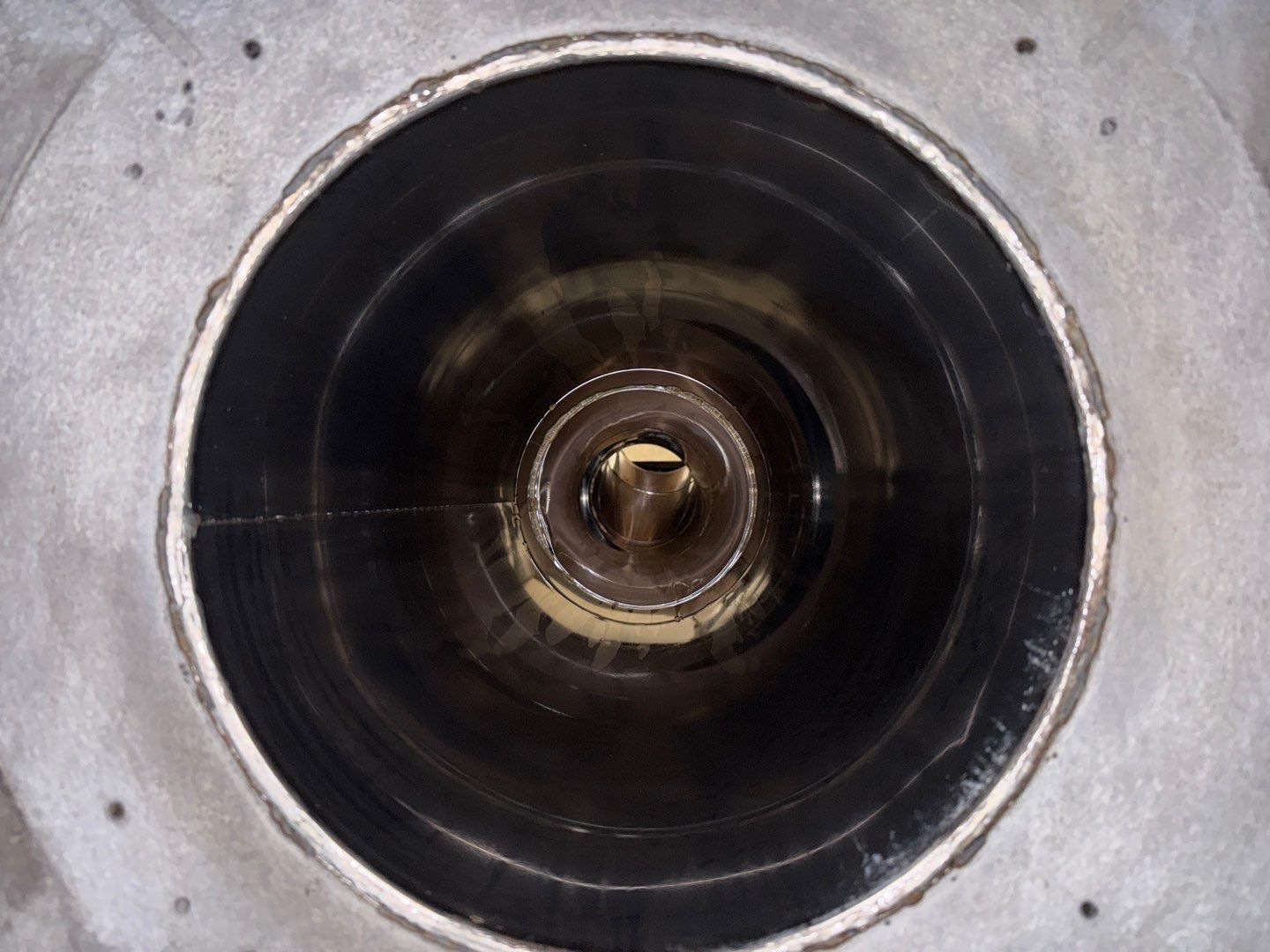
One of the most important concepts in NFPA 96 is the "bare metal" standard. That means that after cleaning, all interior surfaces of the exhaust system must be free of visible grease, residue, and buildup. No coating. No sheen. No sticky patches. Just clean metal. This applies to the exhaust hood, the ductwork, the kitchen exhaust fan, and every fitting along the way. Achieving bare metal requires thorough cleaning methods and proper tools.

Where Grease Hides and Why It Matters
Grease buildup does not happen evenly. It collects in bends, at joints, inside the kitchen exhaust fan housing, and along horizontal duct runs. In many systems, grease accumulates in places that are hard to reach without the right equipment. A standard mop and bucket will not do. You need specialized tools like a jetter system that uses high-pressure water and cleaning agents to break down the grease, or manual scraping tools for heavy deposits.
Grease is not just fuel for a fire. It also insulates the ductwork, which can cause heat to build up and reduce the effectiveness of your hood suppression system. If a fire breaks out and the suppression system cannot reach the flames because grease has coated the nozzles or blocked the spray path, the damage can be catastrophic. That is why fire code compliance requires regular, documented cleaning.
Understanding the Components of an Exhaust System
A typical commercial kitchen exhaust system has several parts that each need attention. The exhaust hood sits directly above the cooking equipment. It captures heat, smoke, and grease-laden air. Inside the hood, grease filters trap larger particles. Below the filters, drip trays collect the runoff. From the hood, the air moves through ductwork to the kitchen exhaust fan, which pushes it outside.
Every one of these components needs ductwork inspection and cleaning. If the fan blades are caked with grease, the fan cannot move air effectively. If the ductwork is coated, the fire risk multiplies. And if the hood itself is not clean, the entire system fails the bare metal test. That is why a clean hood is not just about appearances. It is about function.
How Often Should You Clean?
NFPA 96 does not give a one-size-fits-all schedule. It depends on the volume of cooking and the type of food prepared. A restaurant that does high-volume frying may need cleaning every month. A bakery or a pizzeria that uses ovens with lower grease output may be able to go three months. The standard says the cleaning frequency must be based on the amount of grease accumulation, and the cleaning must be performed often enough to keep the system free of substantial deposits.
In practice, this means that a professional cleaning service should inspect the system and recommend a schedule based on what they find. They should also provide documentation after each cleaning, including before and after photos that show bare metal. This documentation is essential for fire code compliance and for insurance purposes.
Choosing a Qualified Cleaning Service
Not every cleaning company knows how to handle a commercial kitchen exhaust system. Look for a service that is UL listed or certified by a recognized organization like KIWA or IGC. These certifications indicate that the company follows industry standards and uses proper techniques. A qualified service will also know how to handle zero clearance installations, where ductwork runs close to combustible materials.
When you hire a cleaning crew, ask about their process. Do they use a jetter system? Do they manually scrape and vacuum? Do they clean the kitchen exhaust fan and check the hood suppression system? A thorough cleaning covers all of that. They should also inspect the ductwork for damage, corrosion, or leaks that could compromise fire safety.
It is also worth noting that exhaust duct cleaning is different from HVAC duct cleaning. HVAC systems move conditioned air for comfort, while kitchen exhaust systems move hot, greasy air out of the building. The cleaning methods and equipment are different. Do not assume that a company that cleans air conditioning ducts can handle a kitchen exhaust system.
The Cost of Neglect
Skipping or delaying cleaning can lead to serious consequences. The most obvious is fire. According to fire department reports, cooking equipment is the leading cause of restaurant fires, and many of those fires spread through dirty exhaust systems. Beyond the fire risk, there are fines from fire marshals, shutdowns during inspections, and higher insurance premiums. Some insurance policies require proof of regular cleaning to maintain coverage.
I have seen restaurants that failed a fire inspection because the ductwork had visible grease. The cost of a cleaning service is small compared to the cost of lost business during a shutdown, not to mention the potential legal liability if a fire injures customers or staff. Investing in regular cleaning is investing in the longevity and safety of the business.
Final Thoughts on Keeping Your System Safe
Fire prevention in a commercial kitchen comes down to consistent maintenance. Exhaust duct cleaning is a core part of that maintenance. It ensures that your exhaust hood, ductwork, and kitchen exhaust fan remain free of grease buildup and ready to function during a fire event. It keeps you in compliance with NFPA 96 and local fire codes. It protects your staff, your customers, and your livelihood.

If you have not had your system cleaned in the last three months, call a qualified service and schedule an inspection. If you have documentation from your last cleaning, review it to make sure it shows bare metal. If it does not, ask for a redo. That is the standard. That is what safety requires.
In the end, a clean exhaust system is a quiet workhorse. You do not notice it when it is working right. But when it fails, the cost is enormous. Do not let grease buildup put your kitchen at risk. Make exhaust duct cleaning a priority, and sleep better knowing your kitchen is as safe as it can be.